Smart Meter Deployment
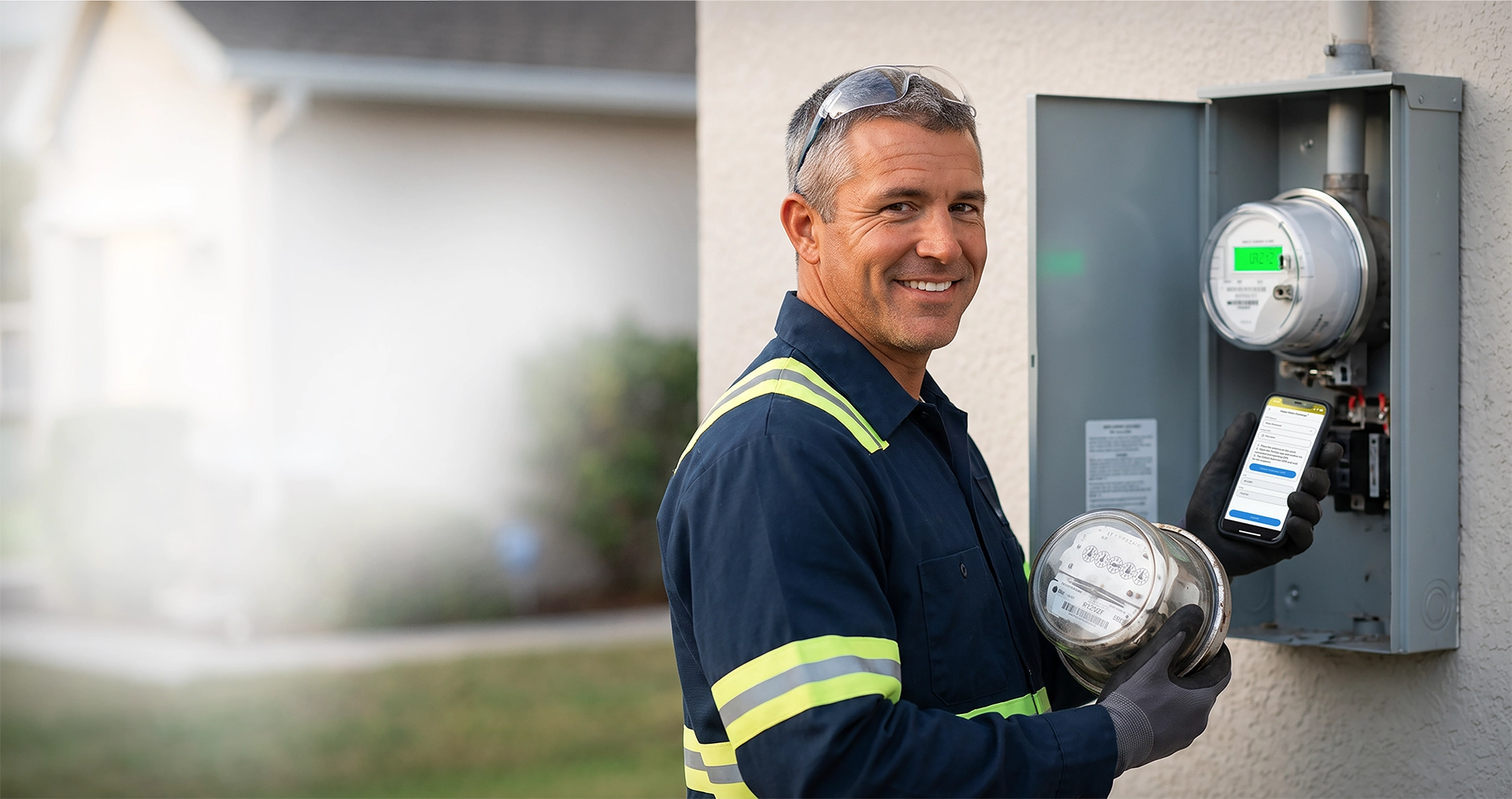
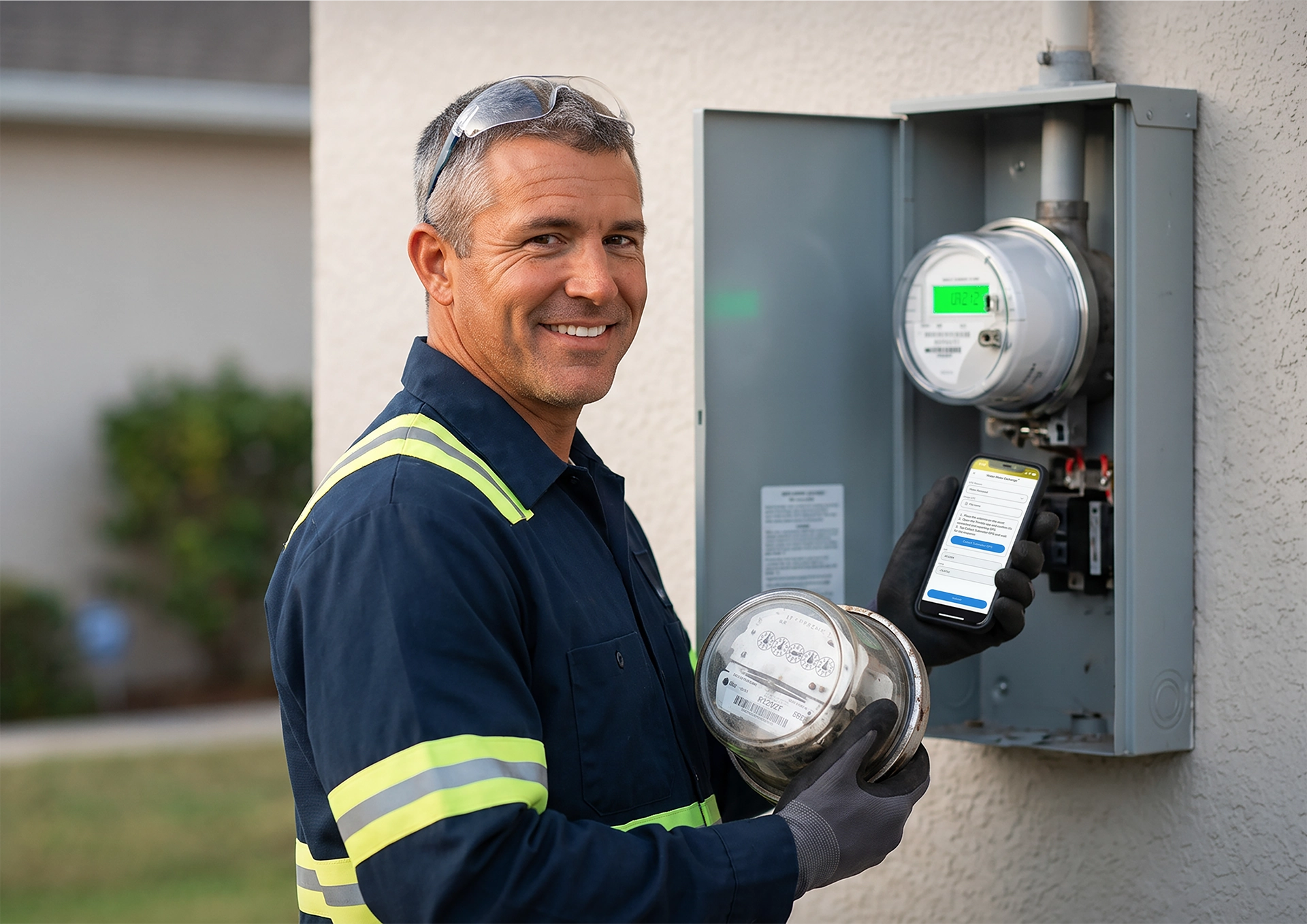
200+ AMI projects delivered in communities like yours


Built for meter installation contractors


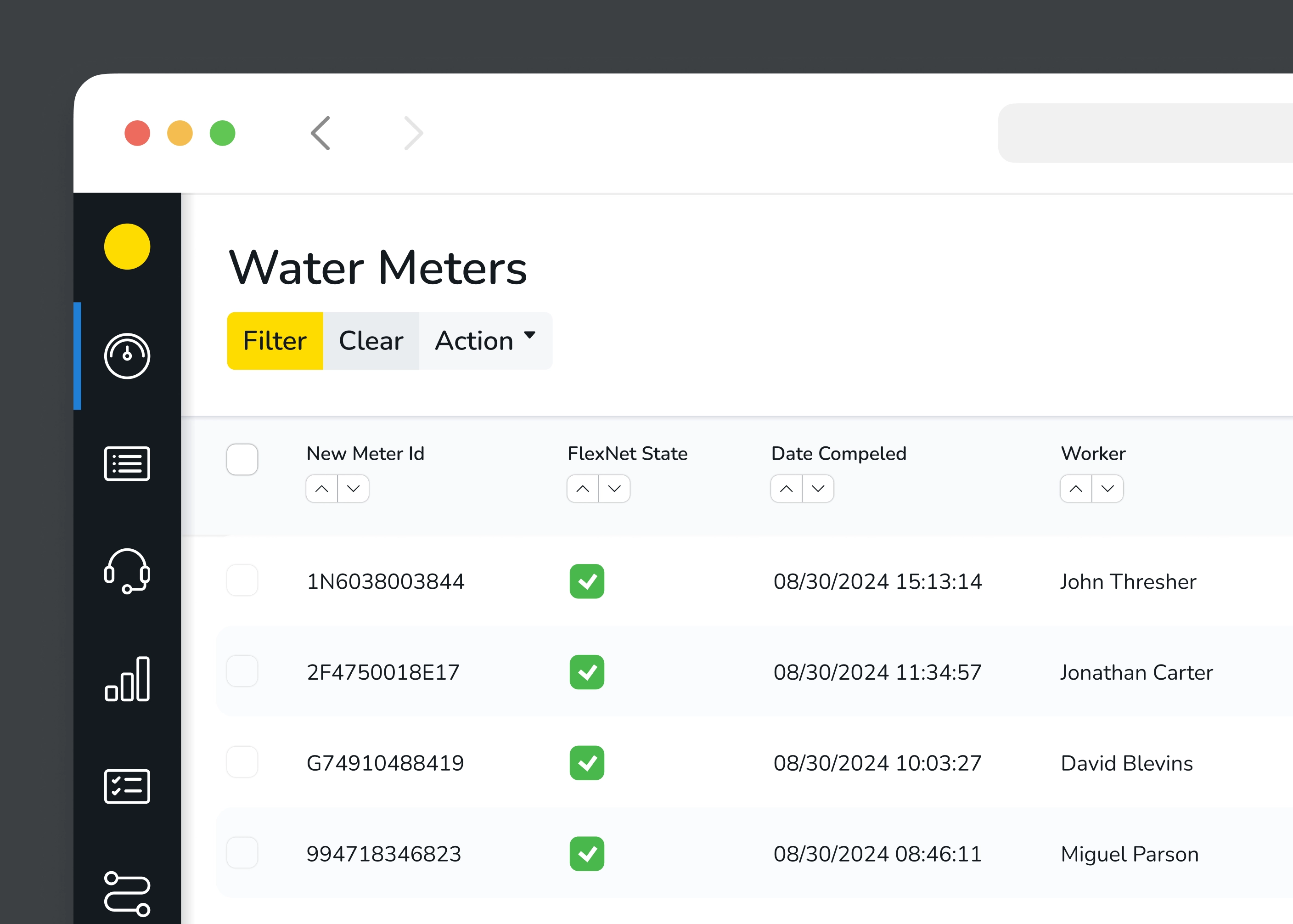
Slash drive time, catch bad reads, track every hour
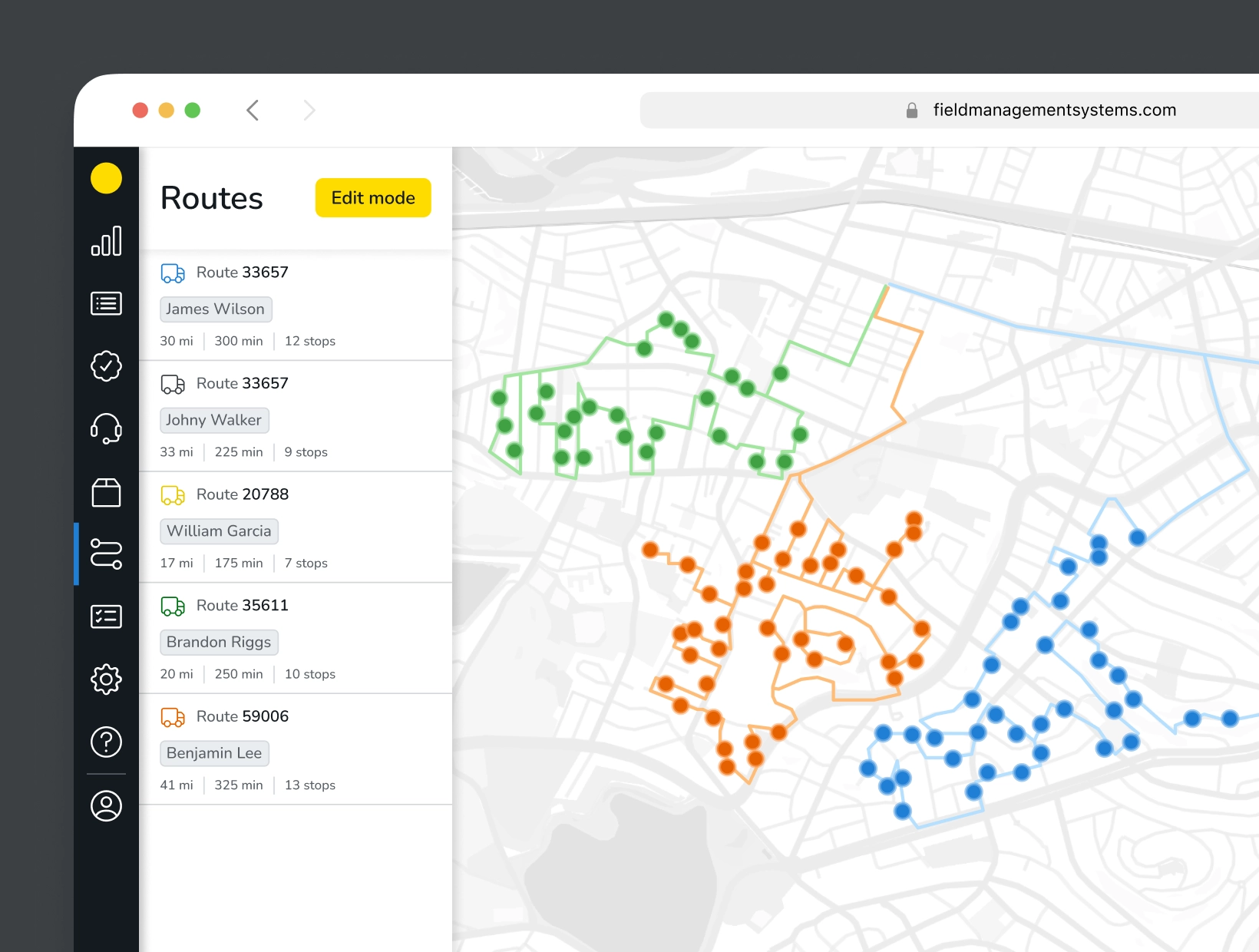
The dispatch engine groups jobs by location and priority, then builds the most efficient route for every technician. Less drive time means more installs per day and lower costs, especially on large, dispersed AMI projects.
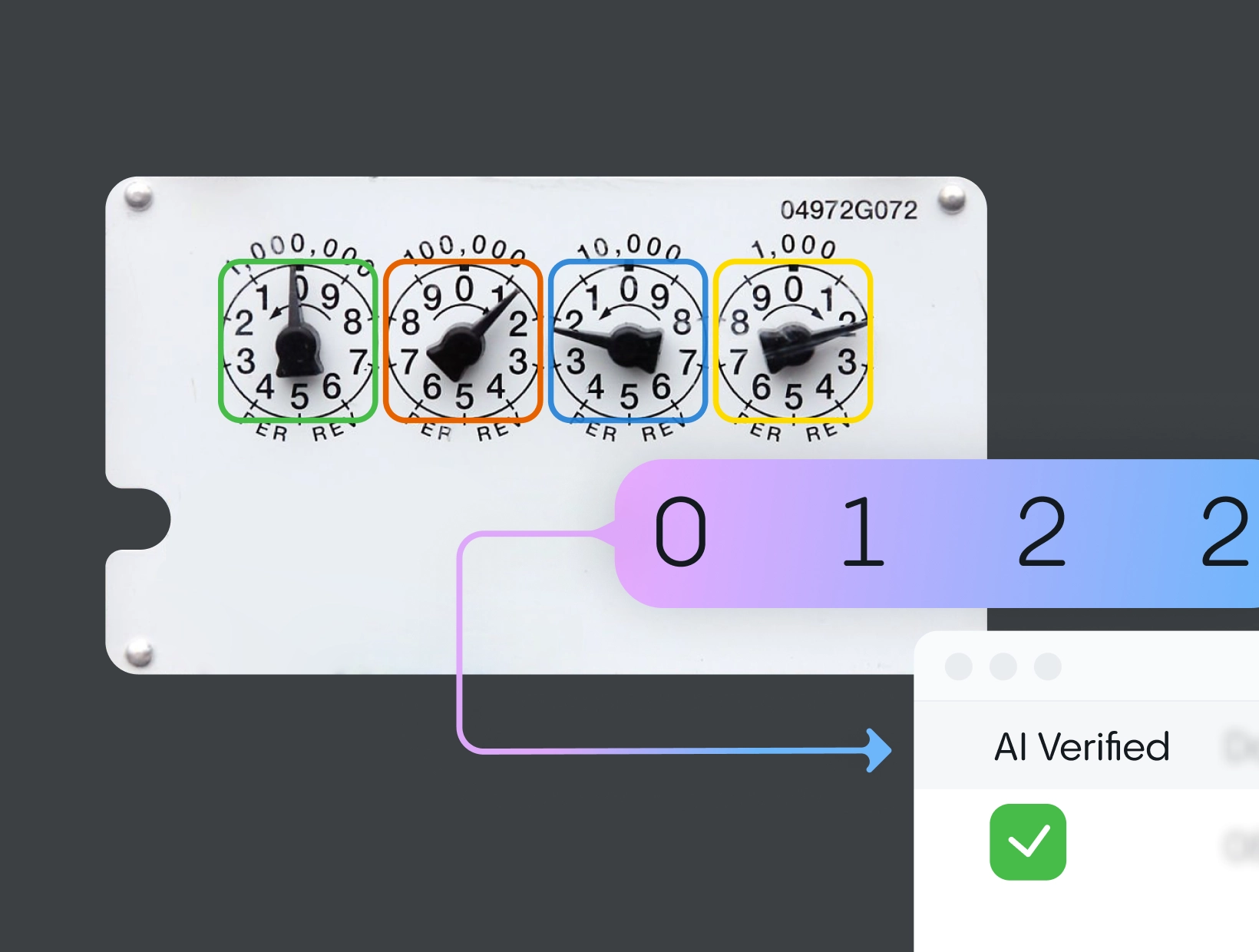
Rely on artificial intelligence to validate manual readings. Fieldman inspects all images of readings, compares them with the entered data, and notifies you of any mistakes or issues. Ensure citizens always receive accurate utility bills.
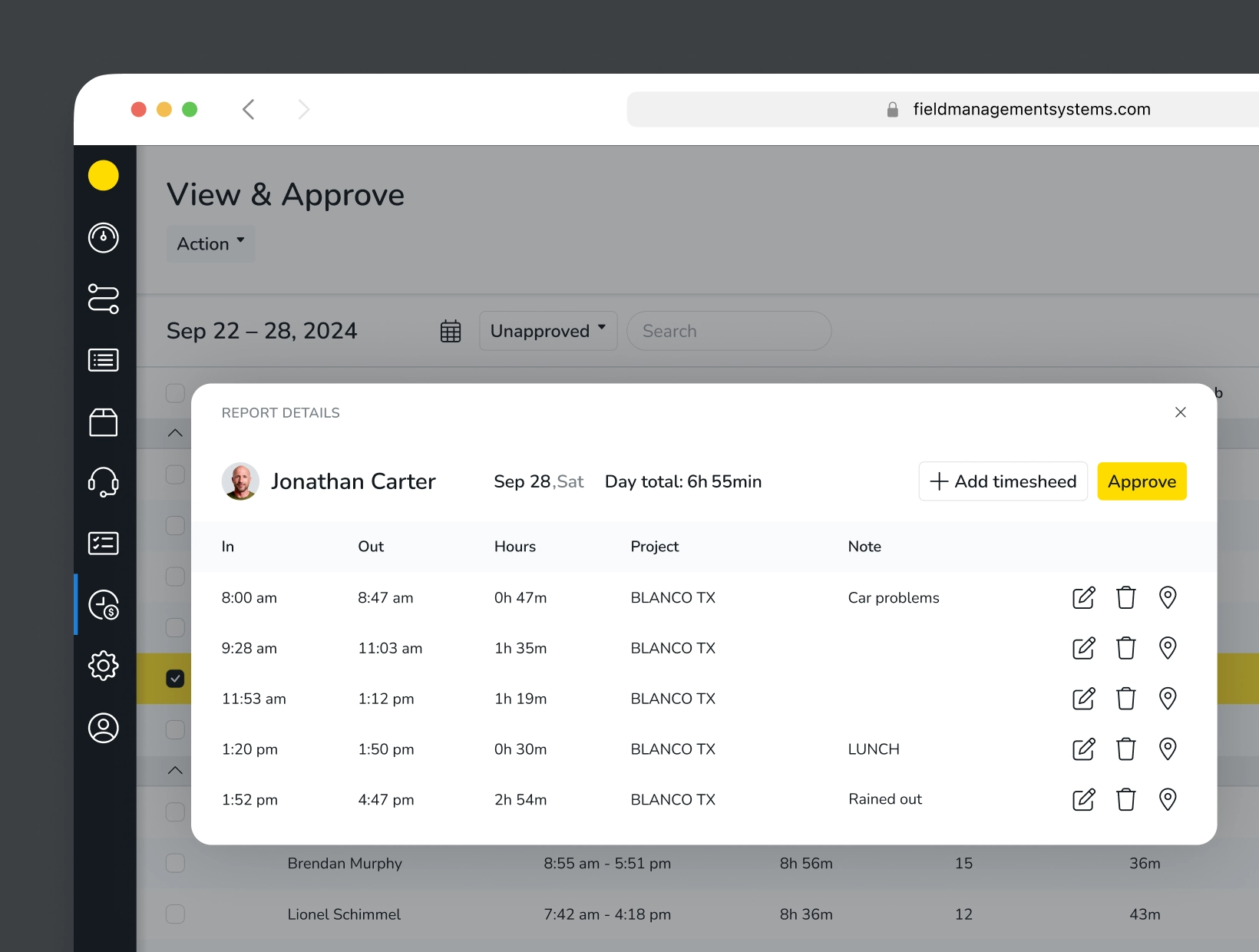
Get a clear view of your mobile workers' productivity and project costs. Use the Fieldman field app to track work hours, locations, spending, and completed jobs. This will help you easily spot where money is being lost. Rely on data-driven insights for accurate reporting and payroll.

Distribution & Collection Manager


Vice President
.webp)
.webp)
President


Head of IT


Smart meter deployment case studies

How Core & Main successfully installed meters in a rural area without Internet ahead of schedule

How the City of Statesville Optimized AMI Installations and Meter Reading Program in a Single Platform

How Honeywell Runs Winnetka's Meter Program on One Platform — 98% of Appointments Self-Booked
Fieldman is built for smart meter deployments, where thousands of meters have to be installed on schedule and every install has to be accounted for. Meter installation contractors and utilities use it to plan routes by cycle, book resident appointments, capture photos and serial numbers in the field, verify each install, and track every meter and module from the warehouse to the wall.
No two AMI projects run the same way, and most change once they're live. Fieldman lets you adjust workflows mid-project without stopping crews, so you can start with a pilot and scale to a full deployment on the same platform.
AMI deployment software: common questions


